Yu-Gi-Oh! for beginners: the duel, chains and card types
Yu-Gi-Oh!, often written yugioh, is one of the world's oldest and best-selling trading card games, published by Konami since 1999. A game is called a duel. Two players start with 8000 life points and win by bringing the opponent down to zero. A single turn can contain long chains of summons that build on each other. A structure deck is the cheapest way in, and many buy two or three to get several copies of the same key cards.
Quick facts
| Publisher | Konami |
|---|---|
| Launch | 1999 in Japan, 2002 in English |
| Number of players | 2 |
| Life points | 8000 |
| Main deck | 40 to 60 cards |
| Extra deck | Up to 15 cards |
| Side deck | Up to 15 cards, swapped between the duels in a match |
| Maximum per card | 3 copies, unless the card is limited |
| Cards per pack | 9 in core boosters |
| Packs per display | 24 |
| Card size | Japanese size, smaller than Magic and Pokémon |
The card size is a trap
Yu-Gi-Oh! cards are smaller than Pokémon and Magic cards. You need Japanese-size sleeves, sold in packs of 60, and the cards do not fit in regular standard sleeves. It is the most common mistake when buying accessories for the first time. Read more in the sleeve guide.
The card types
| Monster | Your fighting cards. They have a level, attack and defence. |
|---|---|
| Spell | Effects played on your own turn. Green cards. |
| Trap | Set face down and activated next turn at the earliest, often on the opponent's. Purple cards. |
| Ritual | Monsters summoned with a special spell card. |
| Fusion, Synchro, Xyz, Link | Special monsters that live in the extra deck and are summoned by combining cards in play. |
| Pendulum | Cards that work both as a monster and as a spell. |
The turn, step by step
- Draw. Draw a card. The player who goes first skips this on the first turn.
- Standby. Effects that trigger at the start of the turn happen now.
- Main 1. Summon monsters, play spells and set traps face down.
- Battle. Attack with your monsters.
- Main 2. Finish what you did not get to before the battle.
- End. The turn ends. If you have more than six cards in hand, you must discard down to six.
The rule that governs everything
You may make one normal summon per turn. All advanced play is about getting around that limit through special summons, that is, tributing, combining, linking or returning cards already in play. That is why a turn can seem to go on forever: the player builds a chain of special summons, each of which is free.
The summoning methods
| Normal | One per turn. Monsters up to level four are played directly, higher ones require you to tribute. |
|---|---|
| Fusion | Merges specified monsters into a stronger one from the extra deck. |
| Synchro | Combines a tuner card with others so the levels add up correctly. |
| Xyz | Stacks two or more monsters of the same level. |
| Link | Uses monsters in play to summon link monsters that point to zones. |
| Ritual | Requires a special spell card and that you tribute monsters. |
The products
| Structure deck | Ready-made themed deck, the cheapest of all. Often bought in two or three copies for more key cards. |
|---|---|
| Starter deck | Beginner deck that teaches the basics. |
| Booster pack | 9 cards in core boosters. |
| Booster display | 24 packs. |
| Tin | The year's tin with several packs and promo cards. One of the biggest products of the year. |
| Tuckbox | Small box with a few packs. |
| Reprint series | Legendary Collection and Battles of Legend, which make older cards available again. Battles of Legend also has new cards. |
The rarities
Yu-Gi-Oh! has an unusually large number of rarity levels, and they differ in printing technique rather than in artwork.
| Common | Ordinary card, no foil. |
|---|---|
| Rare | Silver card name. |
| Super rare | Foil artwork. |
| Ultra rare | Foil artwork and gold name. |
| Secret rare | Rainbow-shimmering foil over the name. |
| Ultimate, Ghost, Starlight | Embossed or specially treated finishes, among the rarest. |
The banned list
Konami publishes a list that limits how many copies of certain cards may be used in tournament play. A card can be forbidden, limited to one or limited to two. The list is updated several times a year and can change the entire landscape of the game. Always check the current list before building a deck for a tournament.
Building your own deck
- Start from a structure deck and a theme group, often called an archetype.
- Buy two or three copies of the same structure deck to get three of the key cards.
- Keep the main deck at 40 cards. More cards make it harder to draw what you need.
- Fill the extra deck with the special monsters your archetype can actually summon.
- Check the banned list before deciding on numbers.
Common beginner mistakes
- Building a 60-card deck. More cards means a worse chance of drawing the right card.
- Mixing several archetypes. The cards do not work together and the deck becomes slow.
- Filling the extra deck with cards you cannot summon.
- Buying standard-size sleeves. The cards are smaller.
- Playing without checking the banned list before a tournament.
Frequently asked questions
- Why does the opponent's turn take so long? Special summons are unlimited, so a turn can contain long chains.
- Do I need an extra deck? Not to get started, but almost all modern decks use one.
- Are old cards playable? Yes, unless they are on the banned list. The card's edition does not matter.
- What does it cost to get started? A structure deck is the cheapest complete deck in the game.
From our range
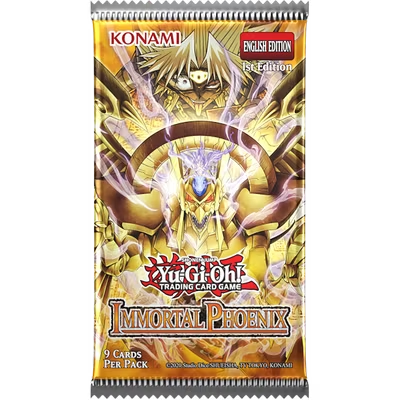
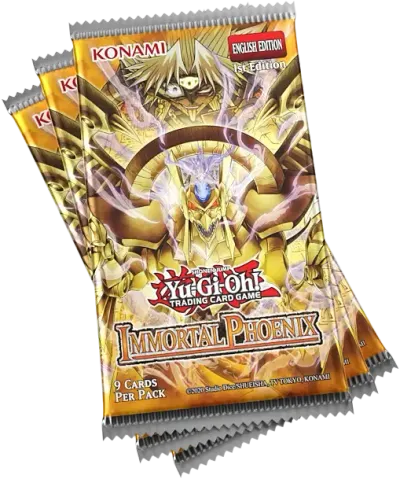
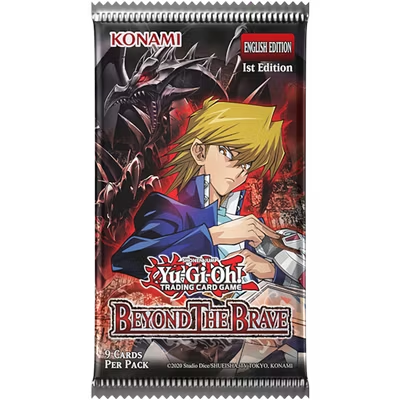
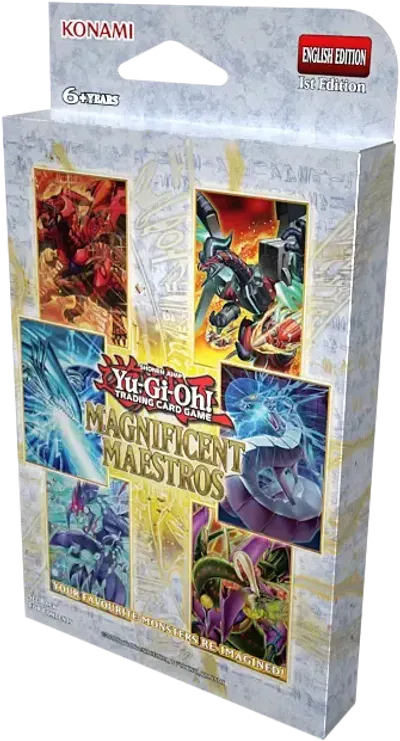
Read more about the pack types, Japanese-size sleeves and the rarities.
Shop: Yu-Gi-Oh! at Bangerpack.
Written by us who run Bangerpack. Range and prices change continuously. What applies when you read this is shown in the category.