How to play Magic: The Gathering
Magic: The Gathering, usually just MTG, is played by two players who start at twenty life and win by bringing the opponent to zero. You play land cards that give mana, and with the mana you pay for creatures and spells. A basic deck is at least sixty cards with at most four copies of the same card, except basic lands. Magic is the oldest trading card game, published since 1993, and the most extensive there is, and that is exactly why the easiest way in is a ready-made starter kit or a commander deck, not loose packs.
Quick facts
| Publisher | Wizards of the Coast |
|---|---|
| Launch | 1993 |
| Number of players | 2 in most formats, 4 in Commander |
| Starting life | 20, or 40 in Commander |
| Deck size | At least 60 cards, or exactly 100 in Commander |
| Max per card | 4 copies, or 1 in Commander, except basic lands |
| Cards per pack | 14 in play booster |
| Card size | Standard, 63 × 88 mm |
The basics: land, mana and turns
Everything in Magic costs mana, and mana comes from land. You may play one land card per turn, which means the game has a built-in clock: on your third turn you have three mana, no more, however good your hand is. That clock is the whole reason cheap cards are valuable and why a deck full of expensive cards loses to a simpler deck that gets to do something every turn.
- Untap. All your tapped cards are turned upright again.
- Upkeep. Effects that trigger at the start of the turn happen now.
- Draw a card. The player who goes first skips this on the first turn.
- First main phase. Play lands, creatures and spells.
- Combat. You choose attackers, the opponent chooses blockers, damage is dealt.
- Second main phase. Play more if you have mana left.
- End. If you have more than seven cards in hand, you discard down to seven.
The card types
Land is your resource. Creatures attack and block and carry two numbers, power and toughness, written as 3/2. Sorceries are one-time effects that may only be played on your own turn in a main phase, while instants may be played at any time, even in the middle of the opponent's turn. That difference is the most common rules mistake among new players, and the one that most quickly makes a player dangerous once it clicks.
Artifacts and enchantments stay in play and give lasting effects. Planeswalkers are allies with loyalty abilities that can be used once per turn, and battles are a later-added type that one player protects and the others can attack.
The five colours
| White | Defence, small cooperating creatures, effects that hit everyone equally. |
|---|---|
| Blue | Control, card draw and countering the opponent's spells. |
| Black | Sacrifices resources for power, removes creatures, uses the graveyard. |
| Red | Direct damage, fast creatures, short-term power. |
| Green | Big creatures and extra mana. |
Most decks use one or two colours, since every extra colour makes it harder to have the right land at the right time. The colours' traits are the game's oldest and most fundamental idea, and they have stayed remarkably consistent since 1993.
The formats
Commander is the most popular way to play: a hundred cards, a single copy of each, a commander that is always available, forty life and usually four players around the table. The full rule set is in the Commander guide. Standard is the opposite in pace and card pool: only the latest sets are allowed, and they rotate yearly. Draft and limited mean everyone opens packs on site and builds from what they get, which is the only format that requires no cards in advance.
Modern reaches back to 2003 with its own ban list, while Legacy and Vintage allow almost everything ever printed and in practice require a large collection. Pauper allows only common cards and is the cheapest competitive format there is.
What to buy first
If you just want to try, a starter kit with two ready-made decks is enough. If you want to get into Commander, a ready-made commander deck is the right buy, since they are balanced against each other and so give an even match straight out of the box. If you want to open cards, choose play boosters or a display, preferably from a set made for new players. And if you want to build your own deck, buy single cards as soon as you know what the deck needs. Packs give random cards, and randomness doesn't build a deck.
Building your own deck
Twenty-four to twenty-five lands in a sixty-card deck is a common starting point, and too few lands is by far the most common beginner mistake: you stand still while the opponent plays. Stick to one or two colours at first, since three colours require a mana base that costs money and takes time to build. Build an even mana curve weighted towards cheap cards, and include ways to remove the opponent's creatures, not just your own threats, since a deck without answers loses to everything it can't outrace.
Test against a ready-made deck before you buy expensive cards. Other common mistakes are easy to recognise: a hand with only expensive powerful cards and nothing to do early, forgetting that instants can be played on the opponent's turn, and losing track of which cards are tapped and which are ready.
Frequently asked questions
- Do I need expensive cards? No. Commander is played at every price level and ready-made decks are evenly matched against each other.
- Can I mix languages in a deck? Yes, the cards are the same cards regardless of language. At tournaments the card's Oracle text applies, which a judge can show.
- Why does the same card have different prices? Foil treatment, special artwork and which edition the card comes from affect the price a lot.
- What is Universes Beyond? Releases with other brands, such as The Lord of the Rings and Final Fantasy. They are fully playable Magic cards.
- How do I know if a card is legal? It depends on the format. Check before you buy expensive cards.
From our range
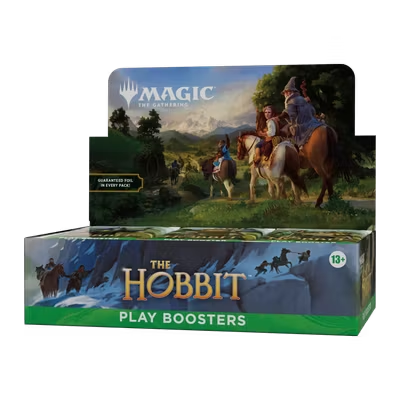 Trading card games
Magic: The Gathering The Hobbit – Play Booster Display
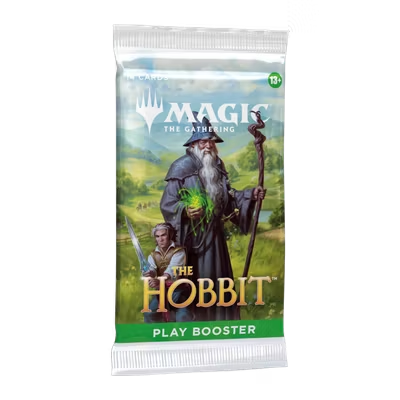 Trading card games
Magic: The Gathering The Hobbit – Play Booster
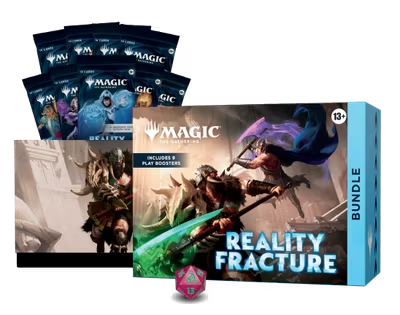 Trading card games
Magic: The Gathering Reality Fracture – Bundle
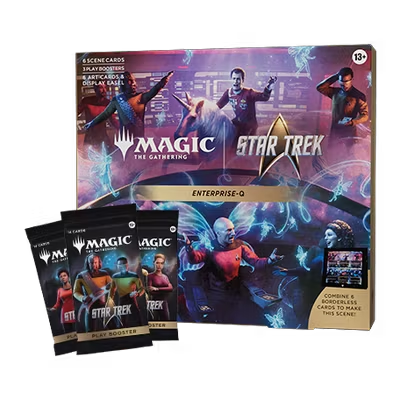 Trading card games
Magic: The Gathering Star Trek – Scene Box: Enterprise-Q
Read more about the Magic sets, the pack types and the most expensive cards.
Shop: Magic at Bangerpack.
Written by those of us who run Bangerpack. Range and prices change continuously. What applies when you read this is shown in the category.